For years, cloud computing was largely viewed as an IT decision. Business owners chose software that worked, employees logged in, and the conversation ended there. Today, that mindset is changing.
Recent research highlighted by MKB Servicedesk shows that Dutch SMEs are adopting European cloud providers faster than larger organisations. The shift is being driven by growing concerns around data sovereignty, cybersecurity and compliance. While the decision may appear technical, its impact reaches far beyond the IT department. It increasingly influences how modern offices operate, collaborate and protect business-critical information.
As organisations become more dependent on digital tools, choosing where company data is stored has become a strategic business decision one that office managers, business owners and workplace leaders can no longer ignore.
The office is now a digital workplace
Today’s office looks very different from the workplace of just a decade ago.
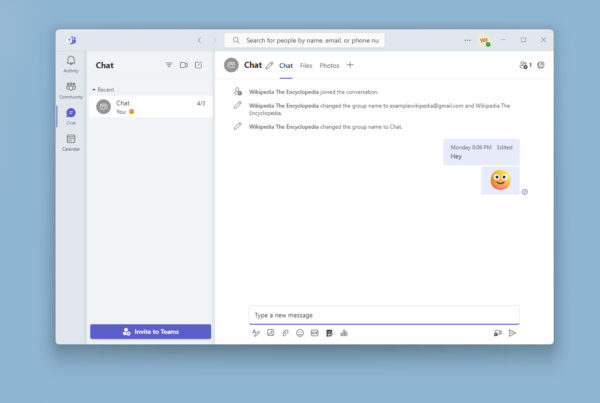
Employees rarely rely on files stored on a local server. Instead, they access documents through cloud-based platforms, collaborate in shared workspaces, book meeting rooms online and communicate through digital collaboration tools. Even visitor registration, access control and office management systems increasingly operate in the cloud.
If these systems become unavailable, productivity can grind to a halt.
The physical office therefore depends on a digital infrastructure that employees often don’t see. Reliable cloud services have become just as important as internet connectivity, electricity or meeting spaces.
That is why decisions about cloud providers are no longer solely technical they directly affect business continuity.
Why digital sovereignty is gaining attention
One of the main drivers behind the growing interest in European cloud providers is digital sovereignty.
In simple terms, digital sovereignty refers to having greater control over where business data is stored, processed and protected. For European companies, this often means selecting providers that operate under European legislation and comply with strict privacy regulations such as the General Data Protection Regulation (GDPR).
Recent geopolitical developments have also encouraged organisations to review their digital dependencies. Businesses increasingly ask themselves whether critical information should rely entirely on providers headquartered outside Europe.
This doesn’t necessarily mean companies are abandoning established global platforms overnight. Microsoft, Google and Amazon continue to dominate the cloud market and provide services that millions of organisations depend on every day.
However, many businesses are becoming more conscious of where specific workloads and sensitive information are hosted. For some, European alternatives offer additional reassurance regarding data governance, transparency and regulatory compliance.
Why this matters for office strategy
Although cloud infrastructure is often discussed by IT professionals, the consequences are felt throughout the workplace.
Hybrid working depends on secure access to company systems from multiple locations. Employees expect to collaborate seamlessly whether they are working from the office, home or while travelling.
Office managers also oversee an increasing number of digital systems, including:
- meeting room booking platforms
- visitor management software
- document management systems
- smart building technology
- workplace analytics
- communication platforms
Each of these systems processes company information.
Choosing reliable cloud partners therefore becomes part of building a resilient workplace. It supports operational continuity while helping organisations comply with evolving privacy requirements.
In many organisations, technology strategy and workplace strategy are becoming closely connected.
Questions every organisation should ask
The shift towards European cloud providers is less about replacing one vendor with another and more about understanding digital risk.
Business leaders should regularly ask questions such as:
- Where is our company data stored?
- Which cloud providers process our information?
- Are we meeting GDPR obligations?
- Can employees access systems securely from anywhere?
- Do we have contingency plans if a critical platform becomes unavailable?
These questions are no longer relevant only to IT departments. Finance teams, HR professionals, compliance officers and workplace managers all have a role in ensuring that digital operations remain secure and reliable.
Looking beyond technology
The growing interest in European cloud services reflects a broader trend in business.
Organisations are placing greater emphasis on resilience, transparency and long-term control. Just as businesses carefully evaluate office locations, lease terms and workplace design, they are also reassessing the digital foundations that support day-to-day operations.
For companies embracing hybrid work, digital infrastructure has become an essential part of the employee experience. Secure collaboration, reliable access to information and confidence in data protection all contribute to a productive workplace.
The office of the future is no longer defined solely by desks, meeting rooms or flexible layouts. Increasingly, it is shaped by the invisible technology that enables people to work effectively wherever they are.
Digital decisions are business decisions
The latest research highlighted by MKB Servicedesk demonstrates that more Dutch SMEs are looking at European cloud providers as part of their digital strategy. Whether motivated by compliance, cybersecurity or greater control over company data, the trend signals that cloud infrastructure is becoming a boardroom topic rather than just an IT project.
For modern organisations, the workplace extends well beyond the office walls. As digital tools become increasingly central to everyday operations, decisions about cloud providers are also decisions about business resilience, employee productivity and the future of work.