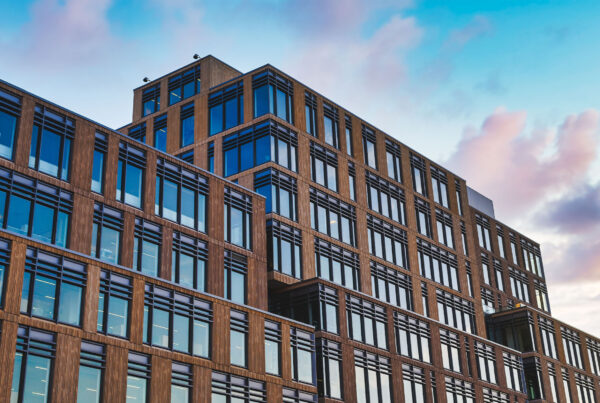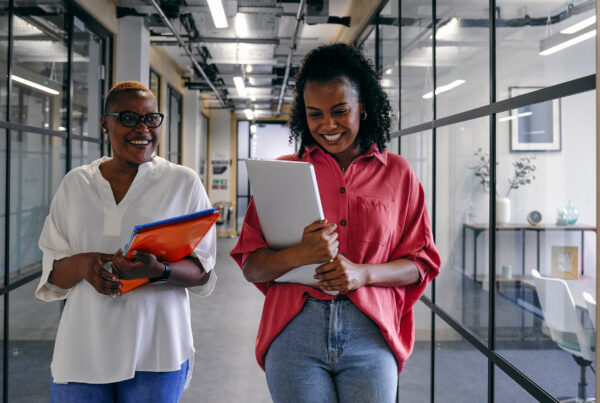
The days of rows of identical desks and harsh fluorescent lighting are firmly behind us. Between 2020 and 2025, office interiors have undergone a quiet yet significant transformation. The way we work has changed and the office has had to evolve with it. What was once primarily functional has now become strategic. Sustainability, flexibility, technology, and wellbeing are no longer “nice-to-haves,” but essential foundations. The question is no longer if offices will change, but how quickly. In this article, we explore the most important developments.
From grey workspaces to green environments
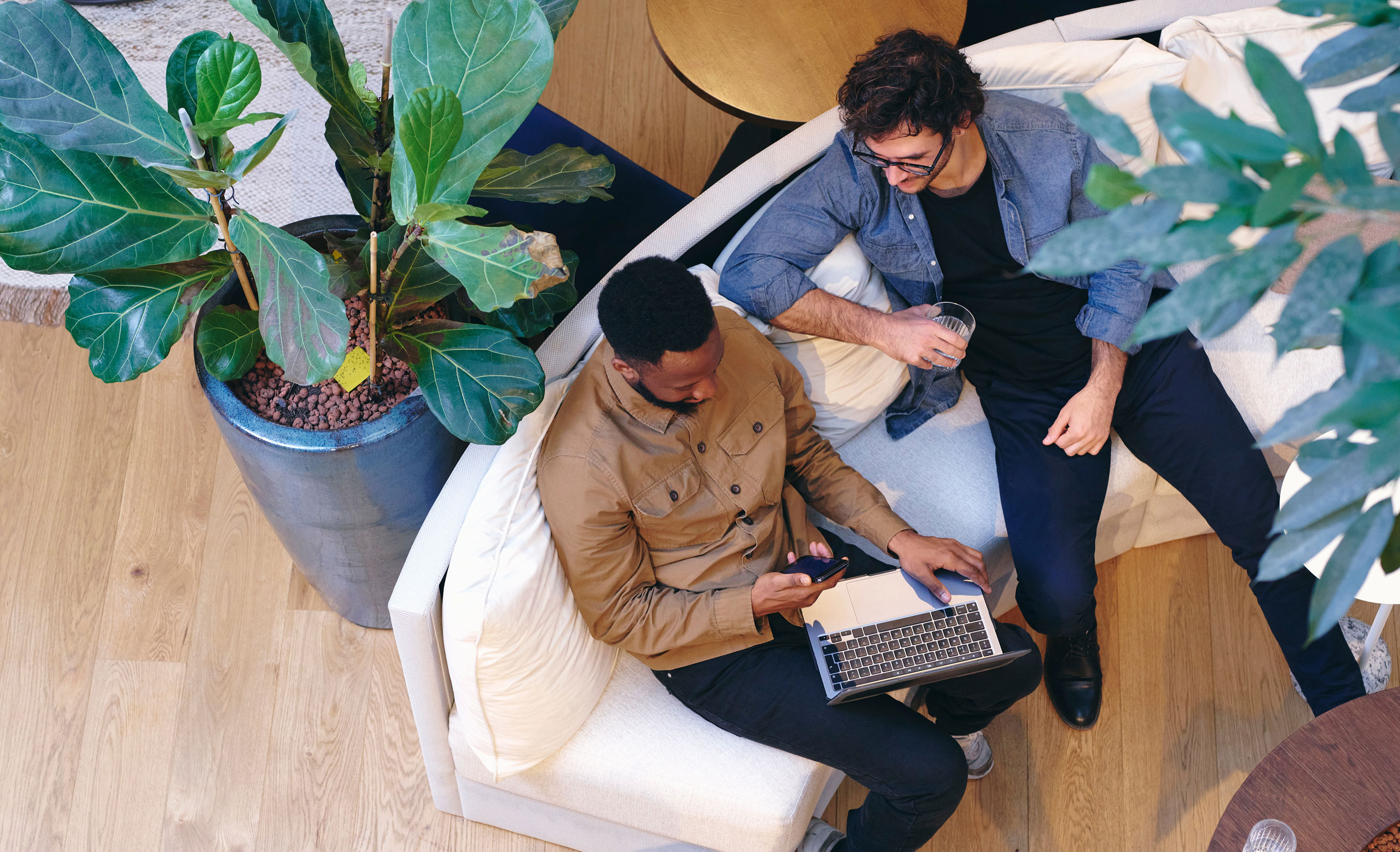
One of the most visible shifts is the rise of sustainability, often combined with biophilic design an approach that integrates natural elements into the workplace.Plants, natural light, and materials such as wood and bamboo have become standard features in modern offices. Not just for aesthetics, but because they have a real impact on how people feel and perform. Research by organizations such as Human Spaces shows that employees in environments enriched with natural elements are more productive and experience higher levels of wellbeing.
In practice, this is reflected in buildings with green roofs, solar panels, and smart climate control systems. According to the World Green Building Council, these types of work environments contribute to reduced stress levels and lower absenteeism. Sustainability, therefore, is no longer just an environmental consideration it has become a strategic decision for employers.
The end of the fixed workspace
The rise of hybrid working has fundamentally reshaped the office. Where workspaces used to be fixed, they now need to adapt to different ways of working. Companies are increasingly designing spaces that can be easily reconfigured. A room used for meetings in the morning can become a focus space in the afternoon. According to CBRE, this demand for flexibility is one of the key drivers behind modern office design. As a result, the office is becoming less of a static place and more of a dynamic environment. This shift may require a different mindset, but it aligns far better with how work actually happens today.
Healthier people, better performance (and that’s no coincidence)
Where ergonomics was once seen as a practical consideration, it has now become an integral part of office design. Organizations increasingly recognize that a healthy work environment directly impacts performance and engagement.
Height-adjustable desks, ergonomic chairs, and well-designed workstations are now standard. At the same time, there is a growing focus on spaces designed specifically for stepping away from work quiet zones, relaxation areas, and dedicated focus rooms.
This development is no coincidence. Research by Deloitte and Leesman shows that the quality of the work environment plays a significant role in employee satisfaction and productivity. An office that supports both physical and mental wellbeing ultimately delivers better results.
The office as a business card (with technology in the background)
Beyond functionality, aesthetics are playing an increasingly important role. Offices are no longer just expected to perform they are expected to inspire. Warm materials, rounded shapes, and bold colors help create environments that feel less corporate and more human. At the same time, technology is becoming smarter and more subtly integrated into the workspace. Think of lighting that adjusts to natural rhythms or workstations with seamless technological support. What stands out is that technology is increasingly moving into the background. It supports the experience, rather than dominating it and that is likely exactly the point.
What these changes really tell us
When you look at these trends together, a clear picture emerges. The modern office is built around:
- A healthy and sustainable work environment
- Flexibility in layout and usage
- A strong focus on employee wellbeing
- Technology that supports without overwhelming
The office has become a strategy
Between 2020 and 2025, the office has evolved from a functional workspace into a strategic asset. It is no longer just a place where work happens, but an environment that actively shapes how people work, collaborate, and feel. Companies that invest in this are not only creating better workplaces they are strengthening their position as employers. In a labor market where talent is increasingly selective, the work environment plays a more important role than ever. Or, put simply: the office may no longer be the only place where work happens but it is still the place that makes the difference.