Every autumn, CBRE’s European flex report gives the industry a reality check, and the 2026 edition contains a headline Dutch readers shouldn’t skip. Amsterdam now has the highest share of flexible office space of any city in continental Europe. Only Central London is ahead. At the same time, prime desk prices in the Dutch capital are rising and the operator landscape is consolidating fast.
So what does this mean if you run a business in the Netherlands, or are deciding where and how to house your team next year? Here are the takeaways that matter.
Flex is growing steadily, not explosively
Start with the big picture. Flexible office space across Europe grew by 3.4% year on year through the third quarter of 2026. It now accounts for about 2.6% of total office stock. That is solid growth, but hardly a takeover. In many of Europe’s largest office markets, flex still makes up less than 2% of stock.
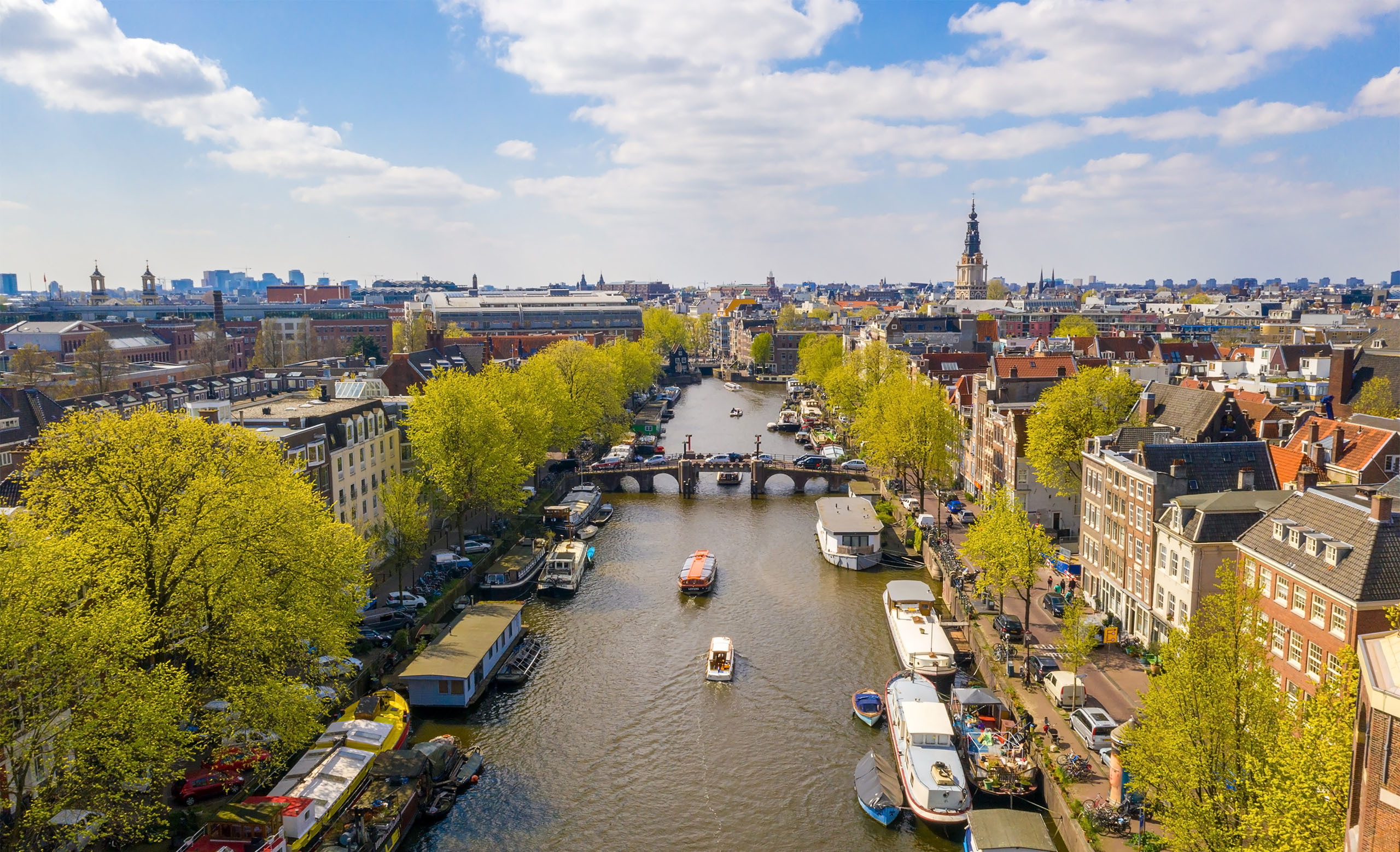
Amsterdam stands out at 5.1%. Warsaw (4.2%) and Barcelona (4.1%) follow, while Central London sits in a league of its own at 11%. CBRE also notes that official numbers probably understate the true picture. A growing number of landlords now let conventional offices on flexible or managed terms, and that space doesn’t always show up as “flex”.
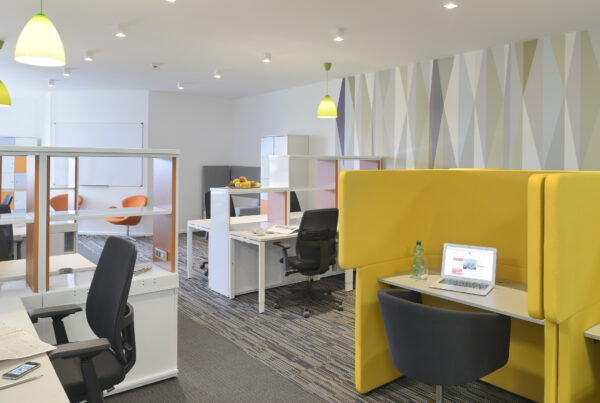
The fastest-growing segment is the managed office: a fully fitted, often self-contained space run for a single company. This is flex grown up. It is no longer just a hot desk for a freelancer, but a full office for a 30-person team, without the fit-out bill.
Amsterdam prices are climbing
Demand is outpacing supply, and you can see it in the price tags. CBRE’s prime desk rate for Amsterdam rose 8% to €1,350 per desk per month. That is still well below Paris (€1,800) and London (€2,200), but well above Brussels (€780), Dublin (€900) and Berlin (€900). Berlin was the only major city where prime rates actually fell.
Keep in mind that these are top-tier prices. CBRE stresses that they don’t reflect the full range of products on the market. Still, the direction is clear. At prime level, a single desk in Amsterdam now costs more than €16,000 a year. For smaller companies, that pushes a different question to the front: do you actually need a full-time desk, or do you need a professional address, a place to meet clients and the freedom to scale?
Who is renting, and how much
The tenant mix is shifting too. Tech, media and telecoms firms accounted for just over half of the flex deals CBRE brokered this year, up from 47% in 2025. Financial and professional services fell from a third to about a quarter.
Deals are also getting smaller. The average transaction dropped from 34 to 26 desks, even as the total number of deals rose. That fits a broader pattern: companies are spreading risk across smaller, more flexible commitments instead of signing one large lease. CBRE also links this to AI. As companies become less certain about future headcount, they want space that can grow or shrink with them.
Occupier surveys point the same way. The share of corporate office portfolios held in flexible space rose from 9% in 2022 to 19% in 2026. That is a slight dip from 2025, but companies expect it to reach 28% within two years.
Consolidation is reshaping the operator market
Behind the numbers, the operator market is consolidating. IWG has been the most active buyer in 2026. It acquired German premium operator Design Offices (around 50 locations), Fora’s German portfolio and French operator Wojo. Elsewhere, Spain’s Aticco bought Lisbon-based Nimbler Spaces, and UK operator Orega went through a private equity-backed management buyout. CBRE says more deals are on the way.
For occupiers, this cuts both ways. Larger networks bring more locations, more consistent service and easier multi-city setups. Fewer independent players can also mean less pricing competition over time. CBRE’s own conclusion is that operators building scale in attractive European cities are best positioned for the next phase.
What this means for Dutch businesses
Three practical lessons stand out.
- If you need prime Amsterdam space, budget for rising rates and lock in terms while you can.
- Look beyond the city centre. Prime rates are a top-end benchmark, and well-connected secondary locations or other Dutch cities often offer much better value.
- Separate presence from occupancy. Many entrepreneurs mainly need a credible business address, mail handling and access to meeting rooms. A full desk is often unnecessary.
Conclusion
CBRE’s 2026 figures confirm that flex has become a permanent part of the European office market, and Amsterdam is at the front of the pack. Demand is rising, deals are getting smaller and smarter, and the operator landscape is becoming more concentrated. For businesses, the winning strategy is to match the workspace model to how you actually work.
Want a professional Amsterdam business address without paying for a desk you rarely use? Discover the virtual office solution.