When flex office operator 1000Satellites announced its first Berlin location this month, it didn’t arrive through a traditional lease. The German company didn’t build a brand-new coworking space and then spend months hunting for members to fill it. Instead, it took over the management of an existing 7,000-square-metre office complex in the heart of Berlin-Mitte and turned the building’s current tenants into its very first customers.
It’s a model that’s gaining traction across Europe, and it could fundamentally reshape how flex office space is created, operated, and consumed.
From traditional tenant to flex member: how the deal works
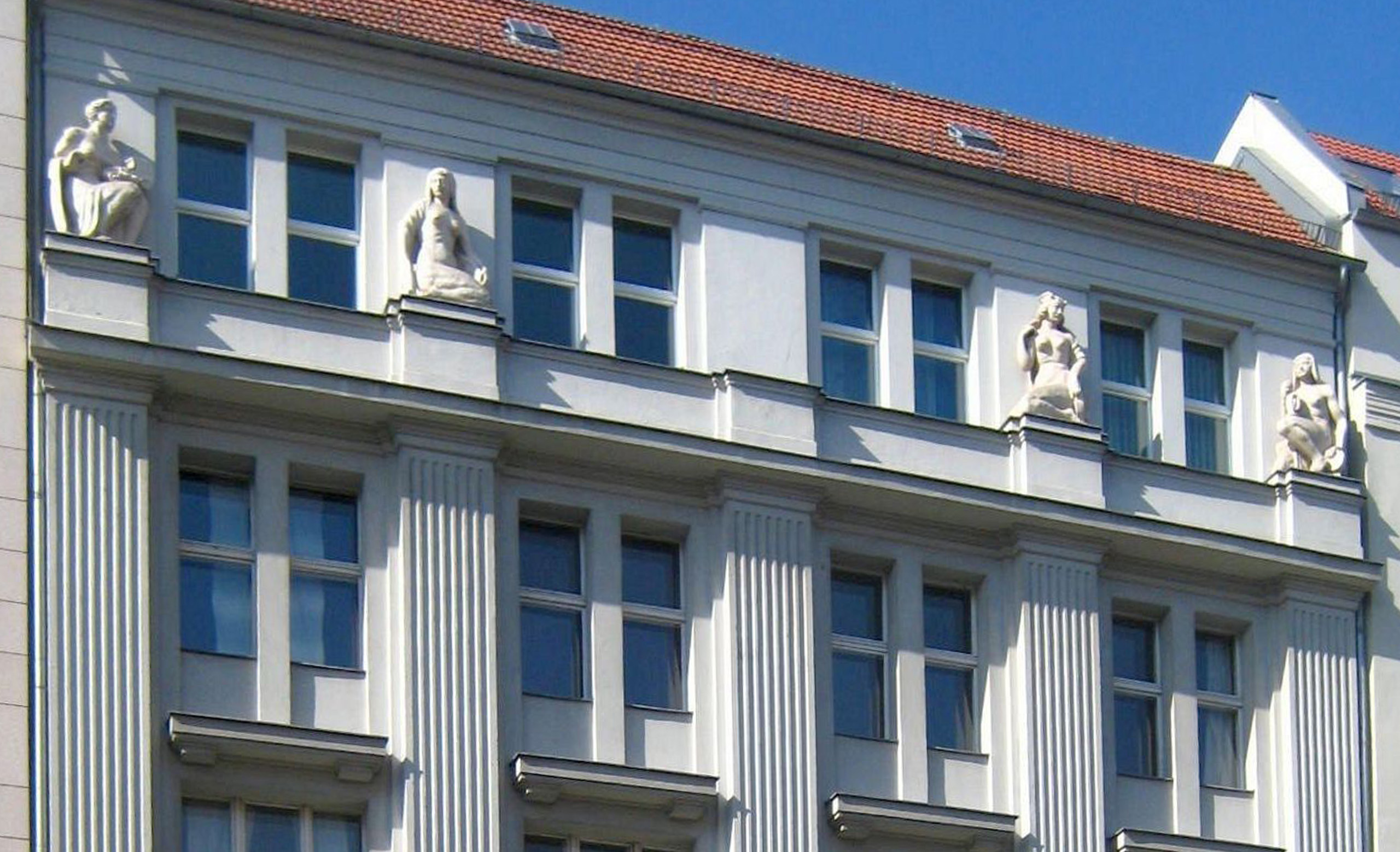
The new location, branded as “Satellit Chaussee,” sits at Chausseestraße 117 in Berlin-Mitte a listed courtyard complex spanning six floors. The building has housed the German headquarters of Swedish fintech giant Klarna since 2019, alongside PPRO, a Berlin-based payments infrastructure company. Both businesses were already occupying space in the building when 1000Satellites moved in. Under the new arrangement, they don’t leave they simply become 1000Satellites customers.
This is the key distinction. Rather than displacing existing tenants and signing new flex members from scratch, 1000Satellites integrates whoever is already in the building into its community and service offering. The existing corporate occupiers gain access to all the premium amenities that come with a professionally managed flex space high-quality workspaces, meeting rooms, and community events while the operator arrives on day one with an established customer base.
For a flex operator, this significantly de-risks the launch of a new location. Revenue isn’t contingent on filling empty desks from zero: it’s already partially secured by the businesses already working there.
A tested strategy, now scaling to the capital
While Satellit Chaussee is 1000Satellites’ first Berlin outpost, the company has been refining this approach at other German locations. The strategy sometimes described as an “operator takeover” or “management agreement” model involves partnering with a building’s owner or institutional landlord to take over full operational responsibility for an entire property.
This isn’t just a clever business tactic; it reflects a structural shift happening across the commercial real estate sector. Landlords across Germany and Europe are increasingly open to flex management agreements, partly because traditional long-term leases are harder to fill in a market where companies are demanding more flexibility. Handing over operations to a specialist flex operator allows property owners to improve occupancy, modernise their offering, and generate stable income without becoming coworking operators themselves.
For 1000Satellites, Berlin was a logical next step. Germany’s capital is one of Europe’s most dynamic office markets, home to a dense cluster of tech and fintech companies that are natural flex users. Klarna’s presence in the building is symbolically apt: a fast-growing, internationally minded company that values both premium workspace and operational flexibility.
The Broader Trend: Flex Operators as Building Managers
1000Satellites is far from alone in pursuing this direction. Across Europe, operators ranging from large global players to nimble regional specialists are moving away from traditional lease models towards management contracts and revenue-sharing agreements with landlords.
The appeal is mutual. Operators reduce their financial exposure, they’re not on the hook for empty desks during slow periods while landlords get professional management, a modernised product, and a stronger chance of retaining occupiers who might otherwise look elsewhere. Existing tenants, meanwhile, get more than just a desk: they get a professionally run workspace community, with amenities that historically required a much larger real estate footprint.
Across the UK, France, and now Germany, this model is reshaping how office buildings get repositioned. It enables the conversion of struggling or single-tenant assets into vibrant, multi-occupier flex environments without the full cost and disruption of a major redevelopment.
What this means for businesses looking for flexible space
The growth of operator-led building conversions is good news for companies at every stage of growth. More supply of professionally managed flex space in a wider variety of buildings and locations means more choice, better quality, and increasingly competitive pricing.
For occupiers like Klarna that are already embedded in a space, the change can feel seamless: their existing offices remain their own, but they gain access to shared amenities, coworking areas, and event spaces that enrich daily working life. For newer companies looking to establish a presence in cities like Berlin, operator-takeover locations often offer move-in-ready, fully fitted spaces in buildings with real character not generic glass towers.
The Satellit Chaussee opening marks a notable moment for Berlin’s flex market. But it also signals something larger: a maturing industry finding smarter, more sustainable ways to grow.
What’s next?
With its Berlin launch confirmed, 1000Satellites is cementing its position as one of Germany’s most innovative flex operators. The willingness to pioneer a model that benefits landlords, operators, and tenants simultaneously makes it one to watch as the European flex market continues to evolve.
Whether you’re a growing start-up searching for your first office, an established business rethinking your real estate strategy, or a property owner wondering what to do with a half-empty building, the operator-takeover model offers a blueprint worth examining closely.
Flexible working isn’t just a perk anymore. It’s the infrastructure of a modern business. And companies like 1000Satellites are building that infrastructure, one building at a time.