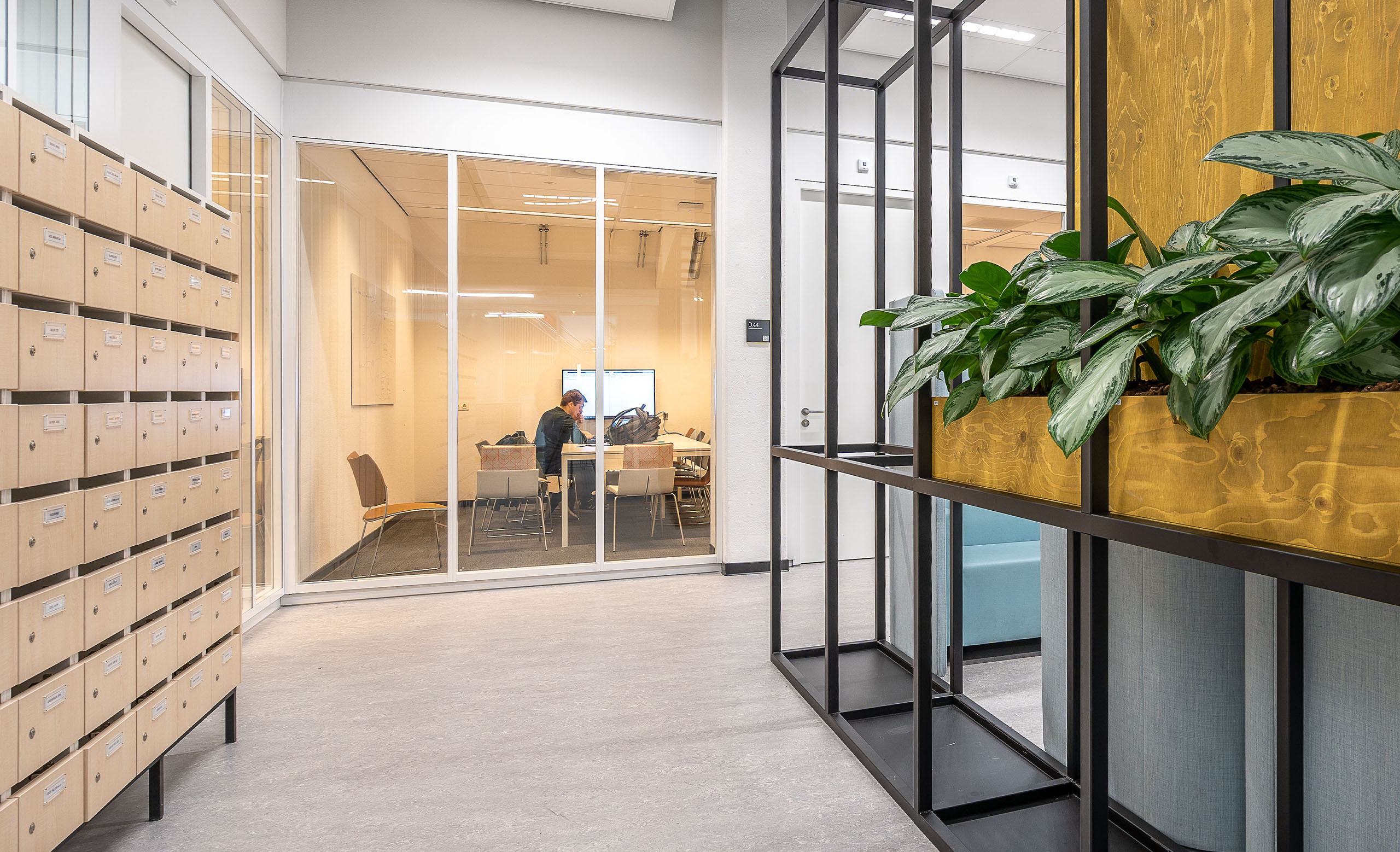
The traditional 10-year office lease has been on borrowed time for a while. This week, it took another hit: Hubble, the U.K. flexible office marketplace owned by property-tech giant Yardi, formally launched across the United States giving companies a single place to find short-term, flexible and managed office space without signing away a decade of commitment.
The rollout covers eight markets to start New York, New Jersey, Philadelphia, Boston, Chicago, Washington D.C., San Francisco and the wider Bay Area with ten more cities, including Los Angeles, Denver, Phoenix, Atlanta and several Florida markets, due by the end of 2026. For the office market, it’s a quiet but telling shift. The infrastructure that lets a 20-person team book a private office for six months, or a travelling consultant reserve a desk for a day, is now being treated as essential not a perk.
A marketplace model goes global
Hubble started life in London as a way to help smaller teams find flexible workspace without an agent. Yardi acquired the platform in early 2025, alongside North American booking platform Deskpass, folding both into a growing flexible-workspace stack that already includes a majority stake in WeWork. The logic is straightforward. Yardi sells software to landlords; Hubble and Deskpass connect those landlords’ empty desks and offices to the businesses that need them. Put the two together and you get a marketplace that fills space that would otherwise sit vacant and a booking layer that lets occupiers treat office space more like a utility than a 10-year bet. At launch, the U.S. platform lists 10,433 office units across 706 buildings, ranging from coworking desks to private offices and managed suites. The target is more than 1,500 buildings by the end of the year.
Why now: occupancy is creeping back
The timing isn’t accidental. Kastle’s office occupancy data reached its highest level since before the pandemic in late 2025 still well below early-2020 traffic, but moving in the right direction for the first time in years. Hubble’s own survey backs that up: 28% of business leaders say they expect to increase office attendance, against just 3% who plan to reduce it. But “more office” no longer means “longer lease”. Companies want a physical footprint for collaboration, culture, client meetings, the things that genuinely benefit from being in the same room without the balance-sheet risk of a multi-year commitment in a market where headcounts and hybrid policies still shift quarter to quarter. That’s the gap Hubble is positioning itself to fill: enough space to do real work, for exactly as long as you actually need it.
What it means for the wider office market
For landlords, a marketplace like Hubble is double-edged. On one hand, it offers a route to monetise space that traditional leasing can’t reach the half-floors, the short-let suites, the buildings in secondary locations competing for smaller tenants. On the other, it normalises the idea that office space should be available on demand, which puts downward pressure on the rents and lease terms that owners have relied on for decades.
For flexible workspace operators the coworking brands, the managed-office providers, the business centres it’s largely good news. A well-run marketplace puts their inventory in front of occupiers who’d never have found it otherwise, and funnels demand toward buildings that have invested in the experience rather than just the square footage.
And for occupiers themselves, the message is finally sinking in: the office is becoming something you consume, not something you’re locked into. That’s been the promise of flexible workspace for over a decade. Marketplaces like Hubble are what turn the promise into a one-click reality.
The takeaway
The launch of a single platform won’t rewrite the office market overnight. But the direction is clear. As the biggest property-tech players build the booking layer for flexible space, the 10-year lease is steadily being relegated to the domain of the very largest tenants and everyone else is being offered something lighter, shorter and more forgiving.
For businesses weighing how much office they really need, it’s worth asking the question out loud: if you could have the right space, in the right city, for exactly as long as you need it why would you sign for ten years?